


12 Jun Neurodivergence Inclusion at Structura
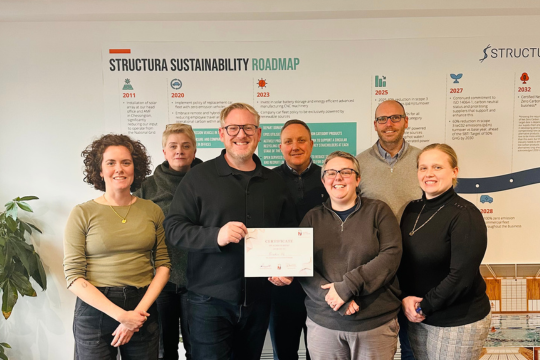
In recent months, we’ve marked Neurodiversity Celebration Week (March) and Autism Awareness Week (April). These awareness weeks are important opportunities to bring conversations around neurodiversity to the forefront.
As a business, we’ve recently undertaken neuro-inclusive training and appointed four team members from different parts of the company to serve as Neuro Ambassadors. These individuals—alongside our Directors—came away from the training sessions positively overwhelmed by the breadth of information and the real-world examples shared. It’s given us a fresh perspective: to make space for everyone, diagnosed or not, and to rethink how we work—across the office, factory, and on-site.
We’re committed to building a culture of equality, diversity, and inclusion, and that commitment isn’t complete without recognising both the strengths neurodivergent team members bring and the challenges they may face. If everyone thought the same, we’d never see true innovation. History shows that some of the world’s most impactful thinkers—like Einstein, Mozart, and Bill Gates—were likely neurodivergent, highlighting that neurodiversity is a strength, not a burden.
At Structura, we’re working hard to make our workplace inclusive for everyone. And honestly, our business needs people who think differently to get the job done. What’s more, the “adjustments” we’re making are improving life for everyone, not just neurodivergent colleagues.
Our four Neuro Ambassadors have now completed their training and held their first monthly meeting. They’ve also drafted our first Neuro-Inclusive Policy, which includes:
- More inclusive onboarding processes for neurodivergent colleagues
- Annual reviews to keep policies up-to-date and relevant
- Clear support pathways via trained ambassadors
- Practical workspace improvements: adjustable lighting, desk “busy” lights, meeting room indicators (as seen in the photo), and a new quiet outdoor space
We’re serious about making long-term changes, not just ticking the EDI box.
If you’re looking to deepen your understanding of neurodiversity, we highly recommend exploring Neuro Inclusion UK for in-person training and the iHasco Neurodiversity Awareness online course. Both have helped guide us in building a safer, more welcoming environment for all.
Inclusion isn’t a trend—and it’s definitely not an epidemic.